The Digital Revolution Reshaping Healthcare
Healthcare is no longer confined to hospitals, clinics, and waiting rooms. Today’s patients begin their healthcare journeys online—researching symptoms, comparing providers, reading reviews, and even consulting doctors through virtual platforms. As digital behavior continues to redefine consumer expectations, healthcare organizations must embrace a digital-first marketing strategy to remain relevant and competitive.
The future of healthcare marketing lies in meeting patients where they are: online. From telehealth and social media engagement to search engine optimization (SEO) and AI-powered experiences, healthcare brands are transforming how they communicate, educate, and build trust with consumers.
The Rise of the Digital Healthcare Consumer
Modern patients are more informed, empowered, and connected than ever before. Before booking an appointment, most consumers conduct extensive online research, read reviews, and seek recommendations through digital channels.
The rapid adoption of telehealth has accelerated this transformation. What began as a necessity during the pandemic has evolved into a preferred healthcare option for millions. Patients now expect convenience, accessibility, and seamless digital experiences throughout their healthcare journey.
Online reviews have also become a critical factor in decision-making. A strong digital reputation can significantly influence patient trust, while negative feedback can impact brand perception. Healthcare providers must therefore prioritize reputation management alongside patient care.
Digital Storytelling: Humanizing Healthcare Brands
Healthcare is deeply personal, making storytelling one of the most powerful tools in modern healthcare marketing.
Rather than focusing solely on services and treatments, healthcare organizations are increasingly sharing patient success stories, physician experiences, and community impact initiatives. These narratives help humanize brands and create emotional connections with audiences.
Effective digital storytelling transforms complex medical information into relatable content. Whether through blogs, videos, podcasts, or social media posts, storytelling allows healthcare providers to demonstrate empathy, compassion, and expertise while building long-term trust.
Patients are more likely to engage with brands that feel authentic and transparent, making storytelling a key driver of brand loyalty.
SEO: The Foundation of Healthcare Visibility
Search engines have become the first stop for healthcare information. Whether patients are searching for symptoms, treatment options, or nearby specialists, appearing prominently in search results is essential.
A strong healthcare SEO strategy includes:
- Targeting relevant healthcare keywords
- Creating educational, patient-focused content
- Optimizing for local search results
- Maintaining accurate business listings
- Enhancing website speed and mobile responsiveness
Local SEO is particularly important for hospitals, clinics, and healthcare practitioners. Optimized Google Business Profiles, location-based keywords, and positive patient reviews can significantly improve visibility within local communities.
Healthcare brands that invest in SEO not only increase website traffic but also position themselves as trusted sources of information.
Social Media: Building Relationships Beyond Appointments
Social media has evolved into a vital communication channel for healthcare organizations. Platforms such as LinkedIn, Instagram, Facebook, and YouTube enable providers to engage directly with patients while sharing valuable health information.
Successful healthcare brands use social media to:
- Educate audiences on health topics
- Share patient success stories
- Promote wellness initiatives
- Address common healthcare concerns
- Respond to patient inquiries
Beyond information sharing, social media helps healthcare organizations showcase their personality and values. Authentic engagement creates stronger patient relationships and fosters community trust.
As healthcare becomes increasingly consumer-centric, social media serves as a bridge between providers and patients, enabling meaningful two-way communication.
Influencer Marketing: Building Trust Through Authentic Voices
Influencer marketing is gaining momentum within healthcare, particularly in wellness, fitness, mental health, and preventive care sectors.
Healthcare influencers often have highly engaged audiences that trust their recommendations and insights. Collaborating with credible health experts, medical professionals, and patient advocates allows healthcare brands to reach audiences in a more authentic manner.
These partnerships can help:
- Increase brand awareness
- Improve healthcare education
- Combat misinformation
- Promote preventive health practices
- Strengthen brand credibility
The key to success lies in partnering with influencers who align with the organization’s values and maintain transparency with their audience.
Video Marketing: Transforming Patient Engagement
Video content continues to dominate digital engagement, making it an essential component of healthcare marketing strategies.
Healthcare organizations are increasingly using video to simplify medical concepts, educate patients, and build trust. Popular formats include:
- Patient testimonials
- Doctor interviews
- Health education videos
- Virtual facility tours
- Live Q&A sessions
- Wellness tips and advice
Video content is highly engaging and allows healthcare providers to communicate information in a more accessible and memorable format. It also enhances patient understanding, leading to better-informed healthcare decisions.
As attention spans shorten and visual content consumption rises, video marketing will remain a cornerstone of digital healthcare communication.
Digital PR: Strengthening Brand Authority
In today’s information-driven environment, digital public relations has become a powerful tool for healthcare organizations seeking to build credibility and visibility.
Digital PR strategies include:
- Securing media coverage
- Publishing expert opinions
- Sharing healthcare research
- Managing online reputation
- Building relationships with journalists and industry influencers
By consistently sharing valuable insights and industry expertise, healthcare brands can establish themselves as trusted authorities within their field.
A strong digital PR strategy not only improves visibility but also reinforces public confidence in the organization.
Performance Marketing and Data-Driven Growth
Healthcare marketing is becoming increasingly measurable thanks to performance advertising and advanced analytics.
Pay-per-click (PPC) campaigns, programmatic advertising, and retargeting strategies enable healthcare organizations to reach highly specific audience segments. These campaigns generate actionable insights that allow marketers to optimize performance and maximize return on investment.
Key metrics include:
- Website traffic
- Conversion rates
- Cost per acquisition
- Patient inquiries
- Appointment bookings
- Engagement rates
By leveraging data-driven strategies, healthcare brands can continuously refine their marketing efforts and improve outcomes.
Thought Leadership: Becoming a Trusted Healthcare Voice
Trust remains the foundation of healthcare. One of the most effective ways to build trust is through thought leadership.
Healthcare organizations can establish authority by creating high-quality content that addresses industry trends, patient concerns, and emerging healthcare innovations. Blogs, white papers, research reports, webinars, and expert commentary all contribute to building a reputation as a reliable source of information.
Thought leadership not only attracts patients but also strengthens relationships with healthcare professionals, policymakers, and industry stakeholders.
As consumers increasingly seek credible information online, organizations that consistently deliver value-driven content will stand out in an increasingly competitive market.
The Future Is Digital
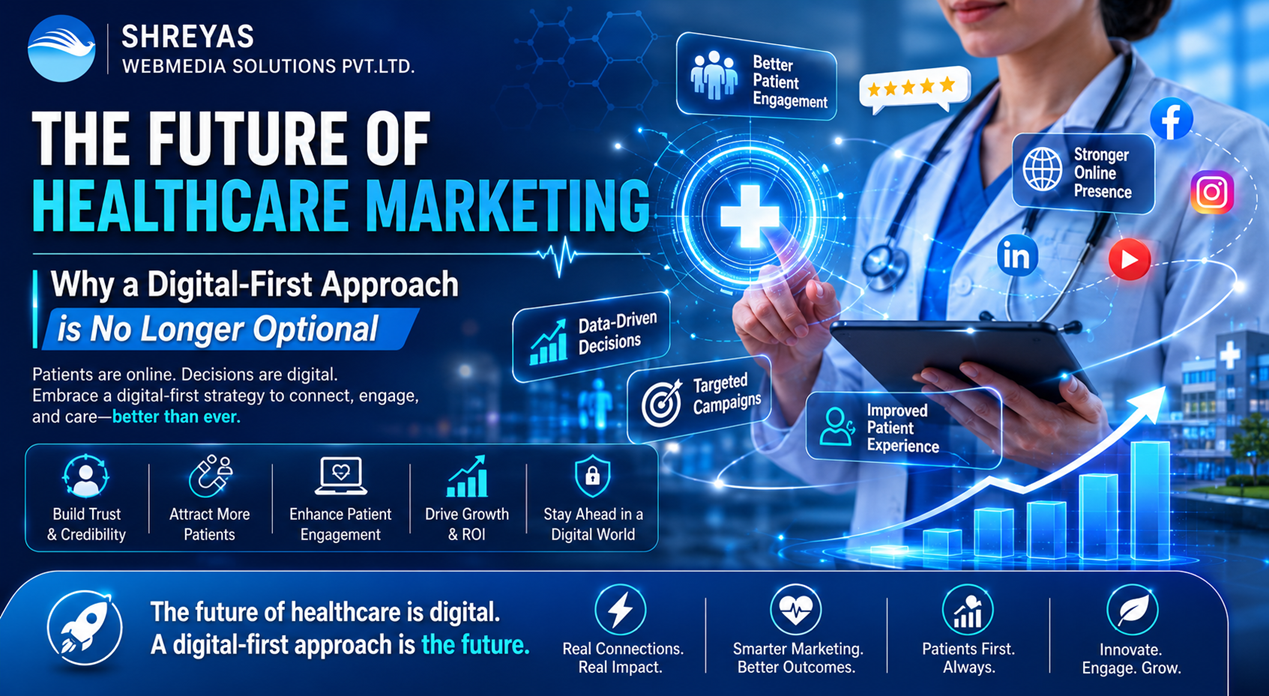
The future of healthcare marketing is undeniably digital. Today’s patients expect personalized experiences, instant access to information, and seamless interactions across multiple channels.
Organizations that embrace digital-first strategies—combining SEO, social media, video marketing, influencer partnerships, digital PR, and thought leadership—will be best positioned to thrive in this evolving landscape.
Healthcare marketing is no longer simply about promoting services; it is about educating, engaging, and empowering patients. By placing the patient experience at the center of every digital interaction, healthcare brands can build lasting trust, strengthen loyalty, and drive sustainable growth in the years ahead.