

Apr 15: The logistics industry is the backbone of global trade, connecting manufacturers, suppliers, retailers, and consumers through complex transportation and supply chain networks. However, in recent years, the sector has faced increasing economic uncertainty caused by fuel price volatility, inflation, labour shortages, geopolitical conflicts, and shifting consumer demand.
These challenges have made traditional logistics models less reliable and more expensive to manage. To stay competitive and profitable, logistics companies are now turning to digital transformation as a strategic necessity. By adopting smart technologies, automation, and data-driven systems, logistics businesses can improve efficiency, reduce costs, and respond faster to market disruptions.
Economic Uncertainty and Its Impact on Logistics
Economic uncertainty creates major obstacles for logistics operations. Some of the most common challenges include:
- Rising fuel and transportation costs
- Supply chain disruptions
- Delayed shipments and port congestion
- Unpredictable customer demand
- Driver and warehouse labour shortages
- Currency fluctuations in global trade
- Increasing pressure for faster deliveries
When these factors combine, profit margins shrink and service quality becomes harder to maintain. This is why logistics companies must become more agile and resilient.
What Digital Transformation Means for Logistics
Digital transformation in logistics refers to the integration of technology into transportation, warehousing, fleet management, customer service, and supply chain planning.
It includes:
- Artificial Intelligence (AI)
- Internet of Things (IoT) tracking devices
- Warehouse automation
- Route optimization software
- Cloud-based logistics platforms
- Real-time shipment visibility tools
- Predictive analytics
- Robotics and smart inventory systems
These technologies help logistics providers make smarter decisions and operate more efficiently.
Why Digital Transformation Is Essential During Economic Uncertainty
1. Reduces Operational Costs
During uncertain economic periods, cost control is critical. Digital tools can automate manual tasks such as dispatch planning, inventory updates, invoicing, and customer notifications.
This reduces labor costs, minimizes human error, and improves resource utilization.
2. Optimizes Fuel and Delivery Routes
Fuel costs are one of the biggest expenses in logistics. Route optimization software uses real-time traffic, weather, and delivery data to identify the fastest and most efficient routes.
This lowers fuel consumption, shortens delivery times, and improves profitability.
3. Improves Supply Chain Visibility
Customers and businesses now expect full shipment transparency. Real-time tracking systems allow logistics companies to monitor cargo movement from origin to destination.
This helps identify delays early, improve communication, and build customer trust.
4. Enables Faster Decision-Making
Data analytics allows companies to monitor warehouse performance, delivery trends, customer demand, and transportation bottlenecks.
With real-time insights, management can quickly adapt to market changes and avoid costly disruptions.
5. Strengthens Customer Experience
Digital platforms allow customers to:
- Track shipments instantly
- Receive automated updates
- Schedule deliveries
- Raise support requests online
A better customer experience leads to stronger retention and brand loyalty.
Key Technologies Transforming Logistics
Artificial Intelligence
AI helps forecast demand, optimize pricing, improve route planning, and predict delays.
IoT Sensors
Smart sensors monitor temperature, location, and cargo condition—especially important for food, pharma, and fragile goods.
Warehouse Automation
Automated picking, sorting, and inventory systems increase speed and reduce handling errors.
Cloud Platforms
Cloud-based systems connect warehouses, fleets, and clients in one centralized network.
Robotics
Robots in warehouses can speed up packaging and order fulfillment.
Real-World Industry Trends
Global logistics leaders such as DHL, FedEx, and Maersk have invested heavily in digital transformation. They use AI, automation, smart warehousing, and predictive analytics to improve efficiency and resilience.
Even mid-sized logistics firms are adopting SaaS platforms and GPS-enabled fleet systems to remain competitive.
Challenges in Digital Transformation
While beneficial, transformation also comes with hurdles:
- High initial investment
- Employee resistance to change
- Cybersecurity risks
- Legacy systems integration issues
- Need for skilled digital talent
However, the long-term savings and resilience often outweigh the short-term costs.
Future Outlook
The future logistics industry will be built on smart operations, autonomous systems, data intelligence, and sustainable delivery models. Companies that delay digital adoption risk losing market share to faster and more efficient competitors.
Conclusion
Economic uncertainty has made traditional logistics operations more vulnerable than ever. Rising costs, delays, and changing customer expectations demand smarter solutions.
Digital transformation gives logistics companies the tools to reduce expenses, improve visibility, optimize operations, and deliver better service. It transforms uncertainty into opportunity.
For the logistics industry, digital transformation is no longer optional—it is the key to survival, growth, and long-term success.


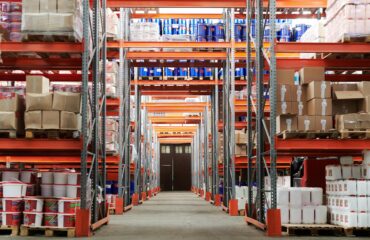




[…] now use automated systems to manage stock, predict demand, and reorder products before shelves go empty. This means shoppers are more likely […]