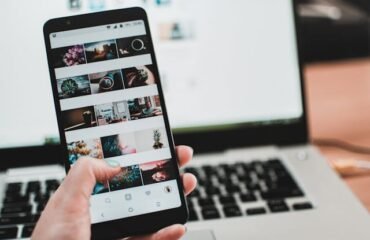
A beautifully designed space can speak for itself—but only if people get a chance to see it.
For interior designers, the digital world has become an extension of the portfolio. Homeowners and businesses can discover designers online, browse completed projects, compare styles, read reviews and reach out for a consultation, often before they ever visit a studio.
The opportunity is particularly significant in India. DataReportal’s Digital 2025: India reported more than 850 million internet users in the country, underlining the enormous audience available to businesses through digital channels.
The challenge for interior designers is no longer simply being online. It is being visible to the right people and giving them a reason to get in touch.
A thoughtful digital marketing strategy can help designers turn their projects into stories, their expertise into useful content and their online visibility into genuine client enquiries.
Turn the Portfolio Into More Than a Photo Gallery
An interior designer’s portfolio is often the first impression a potential client receives.
But a collection of beautiful photographs does not necessarily explain what makes the designer different.
A stronger portfolio tells the story behind each project. What did the client want? What was difficult about the space? How did the designer solve the problem? Why were particular materials, colours or layouts chosen?
A project page could include the location, property type, design style, client’s brief, design approach, materials and finishes, along with before-and-after photographs.
This gives visitors a better sense of the designer’s thinking—not just the finished result.
It also creates opportunities to organise work around services such as home interiors, office interiors, modular kitchens, luxury interiors and bedroom design, making the portfolio easier to discover through search.
Make Before-and-After Content a Digital Marketing Asset
Few things communicate the value of an interior designer as quickly as a strong before-and-after transformation.
An empty room, outdated kitchen or poorly planned office can be shown alongside the finished space to demonstrate what changed and why.
But the strongest before-and-after content does more than reveal a visual transformation. It explains the problem that existed in the original space and how the designer addressed it.
A short video or carousel could highlight:
- The original layout
- The client’s key challenge
- The design solution
- Changes in lighting or colour
- Storage improvements
- Material and furniture choices
- The final transformation
This type of content can work particularly well across social media while also becoming part of the designer’s website portfolio.
More importantly, it helps prospective clients imagine what could be done with their own space.
Let Social Media Show the Designer’s Thinking
Interior design is naturally visual, which makes platforms such as Instagram, Pinterest and YouTube useful for reaching potential clients.
But social media does not have to become a constant stream of finished-room photographs.
Designers can share colour combinations, lighting ideas, storage solutions, material choices, renovation mistakes, small-space solutions and behind-the-scenes glimpses of ongoing projects.
Before-and-after transformations can be particularly effective because they show the value of the designer’s work rather than simply presenting the final photograph.
The goal is to make the audience think, “I would want this person to design my space.”
Local Search Can Bring the Right Clients
Interior design is usually a local decision.
Someone looking for an interior designer is likely to search for professionals who serve their city or neighbourhood. That makes local SEO one of the most useful digital marketing tools for interior designers.
A designer’s website should clearly communicate the locations and services they cover. Pages targeting searches such as interior designer in [city], home interior designer in [city] or office interior designer in [city] can help capture relevant search demand.
But good local SEO is not about filling a website with city names. Useful project pages, service information, genuine reviews and an accurate Google Business Profile all contribute to a stronger local presence.
Make Google Business Profile Work Harder
For a local design business, Google Business Profile can be an important first point of contact.
A potential client searching for an interior designer may see the profile before visiting the company’s website. That makes the quality of the profile important.
Designers should keep their business information accurate and regularly update photographs, services and project images. Reviews can also play an important role in building confidence.
Instead of asking clients for generic reviews, designers can encourage them to talk naturally about their project and experience. Details about the design process, communication and final result can make reviews more useful to future clients.
Make It Easy to Enquire
A portfolio can create interest, but the next step should be obvious.
Every major project or service page can include a simple call to action such as Book a Consultation, Discuss Your Project or Request a Quote.
The enquiry form should not feel like an application form. Basic information such as location, property type and project requirements may be enough to begin the conversation.
The fewer unnecessary steps between seeing the work and contacting the designer, the better.
Answer the Questions Clients Are Already Asking
Many potential clients do not begin by searching for an interior designer.
They begin with a question.
They may search for the cost of renovating a home, ideas for a small apartment, the best materials for a modular kitchen or ways to improve storage.
These questions provide an opportunity for designers to demonstrate their knowledge.
A useful blog can answer these queries while naturally connecting readers to relevant projects and services. Over time, this kind of content can bring visitors to a website before they have even decided which designer they want to hire.
Paid Advertising Can Capture High-Intent Searches
Organic search and social media can build visibility over time, but paid advertising can help businesses reach potential clients who are already looking for a service.
Search campaigns can target people actively searching for interior designers, while social media advertising can put completed projects in front of relevant audiences.
The landing page matters just as much as the advertisement.
Someone clicking an advertisement for luxury home interiors should ideally arrive at a page showcasing luxury residential projects, testimonials and a clear consultation option—not a generic homepage.
Turn Completed Projects Into Stories
Every completed project contains marketing material.
A designer can transform a project into a case study covering four simple stages:
The brief → The challenge → The solution → The result
This format helps potential clients understand how the designer approaches real-world problems.
It also gives designers content that can be reused across their website, social media, newsletters and presentations.
A finished project therefore does more than demonstrate past work. It can continue generating visibility long after the project has been completed.
Don’t Depend on One Platform
Instagram may be an important channel for an interior designer, but it should not become the entire digital strategy.
A stronger presence can bring together a website, Google Business Profile, Instagram, Pinterest, YouTube, content marketing and paid search where appropriate.
Each channel can have a different role.
Social media can create awareness. Google can capture people actively searching. A website can establish credibility. YouTube can demonstrate expertise. And a well-designed enquiry journey can turn that attention into conversations.
Measure Enquiries, Not Just Likes
A large following may look impressive, but it does not necessarily translate into projects.
Interior designers should pay closer attention to metrics such as website enquiries, consultation bookings, phone calls, WhatsApp enquiries, organic search traffic, local visibility and the number of leads that eventually become clients.
This helps answer the question that matters most:
Which digital activity is actually bringing business?
Building a Digital Presence That Converts
For interior designers, digital marketing works best when the different pieces support one another.
A strong portfolio creates the first impression. Before-and-after content demonstrates transformation. Social media brings the work to a wider audience. Local SEO helps potential clients discover the business. Reviews build confidence. Helpful content establishes expertise. And a simple enquiry process turns interest into a conversation.
India’s enormous digital audience makes the opportunity even bigger. But reaching people is only the first step.
The real advantage comes from reaching the right people, showing them work they can connect with and making it easy for them to take the next step.
For an interior designer, the digital presence should ultimately do what a good physical studio does: show the work, communicate the expertise and make a prospective client feel confident enough to begin a conversation.