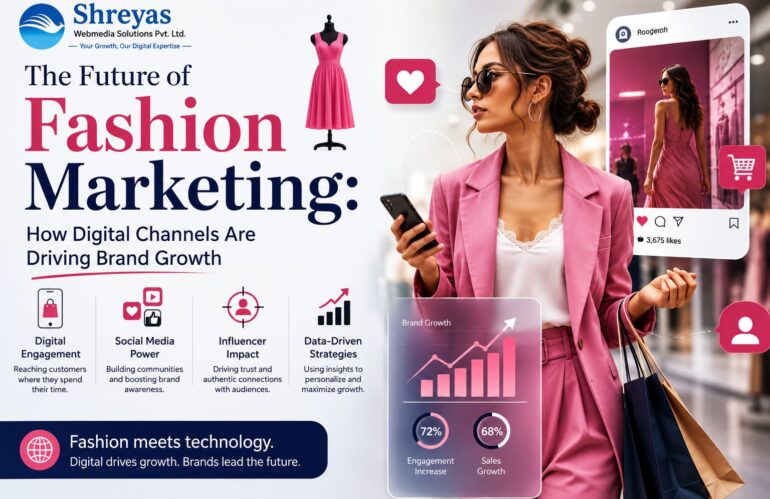
July 27: The fashion industry has always evolved with changing tastes, but the way brands connect with people has changed more in the last decade than it did in the previous several. Earlier, shoppers discovered new collections through fashion magazines, television commercials, or a visit to their favourite stores. Today, inspiration arrives through a phone screen. A customer might spot a jacket in an Instagram Reel during breakfast, watch a styling video on YouTube during lunch, and place an order before the day ends.
This shift has made digital marketing one of the most influential forces in fashion. It’s no longer limited to promoting products—it shapes how brands tell their story, understand their customers, and build long-term relationships. Whether it’s an independent clothing label or an international luxury house, every fashion business is learning that a strong online presence is just as important as a strong product line.
Fashion Is No Longer Just Sold—It’s Experienced
Buying clothes has become more than a transaction. Customers want to know what a brand stands for, how its products are made, and whether its values align with their own. They expect inspiration, useful styling ideas, and conversations that feel genuine rather than sales-driven.
Digital marketing allows fashion brands to create these experiences every day. Instead of speaking to customers, brands now have the opportunity to speak with them.
A behind-the-scenes video from a design studio, a founder discussing the inspiration behind a collection, or a customer sharing how they styled a new outfit can often leave a stronger impression than a polished advertisement.
Social Media Has Become Fashion’s Front Row
Fashion has always been visual, which makes social media a natural extension of the industry.
Platforms such as Instagram, TikTok, Pinterest, and YouTube have become places where trends emerge long before they appear in stores. A single styling video or outfit challenge can introduce thousands of people to a brand overnight.
Successful fashion brands understand that social media isn’t simply about posting beautiful pictures. It’s about creating content people want to save, share, and discuss. Outfit ideas, wardrobe tips, seasonal styling guides, and short behind-the-scenes clips often generate far more engagement than straightforward product promotions.
Brands that consistently offer value are far more likely to remain memorable.
Every Customer Wants to Feel Seen
One of the biggest advantages of digital marketing is its ability to create personalised experiences.
Imagine two people visiting the same online fashion store. One regularly shops for formal wear, while the other prefers casual weekend clothing. Instead of showing identical recommendations, today’s technology allows brands to present products based on each shopper’s interests.
This level of personalisation makes browsing easier and more enjoyable. Customers spend less time searching and more time discovering products that genuinely suit their preferences.
Simple touches like birthday offers, personalised emails, or curated collections often make customers feel appreciated rather than marketed to.
Trust Often Begins With Real People
Consumers have become increasingly selective about the advertising they pay attention to. They are far more likely to trust recommendations from someone whose style they admire than a traditional promotional campaign.
This is why creator partnerships have become such an important part of fashion marketing.
When a fashion creator shares how they style a blazer for work or dresses up a simple white shirt for different occasions, the product becomes easier to imagine in everyday life.
Brands are also recognising the value of working with smaller creators. While they may have fewer followers, their audiences often engage more actively because the relationship feels genuine and relatable.
The Shopping Journey Doesn’t End at Checkout
Good digital marketing continues long after a customer places an order.
Order updates, styling suggestions, care instructions, loyalty rewards, and personalised recommendations all help strengthen the relationship after the sale.
Customers who enjoy a positive experience are far more likely to return and recommend the brand to friends and family.
Fashion businesses increasingly view customer retention as just as valuable as customer acquisition.
Online Stores Have Removed Traditional Boundaries
Location is no longer the limitation it once was.
A designer based in a small town can now sell products to customers in cities across the world. A local boutique can attract international buyers without opening physical stores overseas.
Search engines, online marketplaces, social media platforms, and digital advertising have created opportunities that were unimaginable only a few years ago.
For many emerging brands, digital marketing has become the bridge between local craftsmanship and global recognition.
Listening Has Become as Important as Selling
One of the most valuable aspects of digital marketing is the ability to listen.
Every comment, review, survey response, or customer message provides useful insight into what people genuinely think about a product or shopping experience.
Instead of waiting months for market research, fashion brands receive feedback almost immediately.
Customers may request new colours, suggest improvements, or highlight products they would like to see in future collections. Businesses that pay attention to these conversations often make better decisions because they’re guided by real customer experiences rather than assumptions.
Data Helps Brands Make Smarter Choices
Behind every successful digital campaign is a wealth of information.
Brands can see which products attract the most attention, how visitors move through their website, which advertisements generate sales, and where customers decide to leave without making a purchase.
These insights help businesses improve everything from website design and pricing strategies to inventory planning and future collections.
Rather than relying on guesswork, marketing decisions become more informed and more effective.
Standing Out Requires More Than Beautiful Products
The online fashion industry is crowded.
Thousands of brands compete for attention every day, and simply offering quality products is no longer enough.
Businesses that succeed consistently are those that build a recognisable personality. They maintain a consistent visual identity, communicate honestly, and create content that reflects their values rather than simply promoting discounts.
Customers remember brands that educate, inspire, and entertain—not just those that advertise.
The Future Is Becoming More Interactive
Technology continues to reshape how people shop for fashion.
Virtual fitting rooms are helping customers visualise clothing before purchasing. Artificial intelligence is improving product recommendations. Live shopping events allow viewers to ask questions while watching new collections being introduced in real time.
These innovations aren’t replacing the traditional shopping experience—they’re enhancing it.
Fashion brands that embrace new technology while maintaining authentic customer relationships are likely to remain competitive in the years ahead.
Practical Tips for Fashion Brands
Businesses looking to strengthen their digital presence should focus on building lasting relationships rather than chasing short-term trends.
Some practical approaches include:
- Create content that solves customer problems, not just promotes products.
- Invest in original photography and video instead of relying solely on stock images.
- Optimise product pages with descriptive, search-friendly content.
- Encourage customers to leave reviews and share their styling ideas.
- Maintain a consistent tone of voice across every platform.
- Monitor customer feedback and respond promptly.
- Review analytics regularly to understand what resonates with your audience.
- Stay informed about changing consumer behaviour without following every passing trend.
Conclusion
Digital marketing has fundamentally changed the way fashion brands grow, communicate, and compete. It has shifted the focus from simply selling products to creating meaningful experiences that keep customers coming back.
The brands making the greatest impact today aren’t necessarily the ones with the biggest advertising budgets. They’re the ones that understand their audience, communicate with authenticity, and use digital channels to build genuine relationships.
As technology continues to evolve, fashion marketing will undoubtedly introduce new tools and opportunities. Yet one thing is unlikely to change: people will always connect with brands that make them feel understood, inspired, and valued.