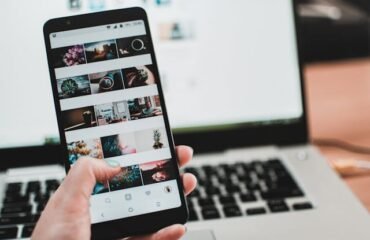
Sept 22: A jewellery purchase rarely starts at a jewellery store anymore.
It may begin with an Instagram Reel, a creator styling a necklace, a Google search for wedding jewellery or a customer saving a design for later. By the time that customer walks into a showroom, they may already know the brand, the collection and even the pieces they want to see.
That is changing the role of digital marketing for jewellery brands.
In 2026, jewellery companies are using digital platforms not just to display products, but to tell stories, build credibility, work with influencers and create personalised experiences for customers considering premium purchases.
For an industry built around emotion, craftsmanship and trust, the opportunity is significant: turn digital attention into a relationship that eventually leads to a purchase.
India’s Jewellery Customer Is Becoming More Selective
The shift comes at an interesting time for India’s jewellery market.
The World Gold Council’s Gold Demand Trends: India Focus Q2 2026 found that Indian gold demand reached 131 tonnes during the quarter. Jewellery demand declined 15% year-on-year to 75 tonnes, while the value of overall gold demand rose 50% to a record ₹1,979 billion, reflecting the impact of higher gold prices.
For jewellery brands, the numbers point to a market where customers continue to spend significantly but are also navigating higher prices.
That makes the communication of value increasingly important.
A brand needs to explain not only what a piece looks like, but also why it is worth considering — from design and craftsmanship to heritage, quality and the experience around the purchase.
Brand Storytelling Can Give Jewellery a Stronger Identity
A product photograph can attract attention. A good story can make the product memorable.
Consider a collection inspired by temple architecture, regional craftsmanship or an old family tradition. Instead of presenting it as another catalogue launch, a brand can explain where the inspiration came from, how the design evolved and what makes the craftsmanship distinctive.
That story can then become content across Instagram, YouTube, websites, email campaigns and short-form video.
For Indian jewellery brands, there is particularly strong scope to connect contemporary designs with weddings, festivals, regional traditions and personal milestones.
The product remains at the centre, but the story gives customers another reason to remember it.
Influencers Are Becoming Part of the Brand Story
Influencer marketing is also moving beyond the traditional product-placement model.
For a jewellery brand, simply sending a necklace to a creator and asking for a photograph may generate visibility, but collaboration can create much deeper engagement.
A fashion creator could demonstrate how one necklace works with both a traditional saree and a contemporary outfit. A wedding creator could build content around bridal jewellery choices. A lifestyle creator could show how statement jewellery can be worn beyond special occasions.
The focus shifts from “buy this product” to “this is how this product fits into your life.”
The broader influencer economy is expanding as well. A 2026 SEBI-filed prospectus citing market estimates put India’s influencer marketing industry at ₹24.1 billion in 2024 and projected it to reach ₹34.8 billion by 2026.
For jewellery businesses, however, reach should not be the only consideration. The creator’s audience, credibility, content style and connection with the brand’s positioning can matter just as much.
Social Media Has Become a Digital Showroom
Social media now plays an important role in jewellery discovery.
A potential customer can see a piece in a Reel, watch it being made, understand how it looks when worn and then visit the brand’s website or showroom.
That makes visual storytelling particularly valuable.
Close-up videos can highlight craftsmanship. Behind-the-scenes content can introduce artisans. Styling videos can demonstrate versatility. Customer stories can provide social proof.
A 2026 Meta and Retailers Association of India study found that social media influences 77% of retail purchase decisions. The study also highlighted the growing role of short-form video and creators in product discovery, while noting that consumers continue to move between online research and physical stores for major purchases such as luxury jewellery.
For jewellery brands, this means digital marketing does not necessarily need to complete the transaction online.
Its job may be to create enough interest and confidence for the customer to take the next step.
Premium Customers Expect Personalised Engagement
Personalisation in jewellery marketing should go beyond adding a customer’s name to an email.
Someone searching for an engagement ring has different needs from someone looking for festive jewellery, anniversary gifts or a statement piece.
Brands can use customer preferences and behaviour to offer curated recommendations, private consultations, WhatsApp assistance, appointment bookings and personalised follow-ups.
For a premium purchase, this can make the experience feel less like browsing an online catalogue and more like receiving individual attention.
That difference can influence how customers perceive the brand itself.
Trust Is Part of the Marketing Strategy
Jewellery customers want answers before they spend.
They may want to understand craftsmanship, gemstone quality, certification, authenticity, care requirements, exchange policies and after-sales service.
This gives brands an opportunity to create useful content rather than constantly pushing promotions.
A short video explaining how to care for a diamond ring, an article about understanding gemstone certification or a behind-the-scenes look at craftsmanship may not produce an immediate sale.
But it can answer the questions standing between interest and purchase.
For premium jewellery, educational content can therefore work as a form of trust-building.
SEO Can Reach Customers Before They Choose a Brand
Search engine optimisation gives jewellery brands another opportunity to enter the customer journey early.
Instead of targeting only broad terms such as “gold jewellery,” brands can create content around questions people ask while researching.
These could include:
- How to choose jewellery for an Indian wedding
- How to choose a diamond engagement ring
- Gold jewellery trends in India
- How to style traditional jewellery with modern outfits
- Jewellery gifting ideas for anniversaries
- How to care for gold and diamond jewellery
- How to choose the right gemstone
This type of content can attract consumers before they have decided which brand they want to buy from.
The objective is not simply to generate website traffic. It is to attract people with genuine purchase intent and gradually move them towards enquiry, consultation or store visit.
The Digital Journey Still Leads to the Store
Jewellery remains a category where customers often want to see and try a product before making a major purchase.
That makes an omnichannel approach particularly important.
A customer might discover a necklace on Instagram, research the brand on Google, speak to the company on WhatsApp and finally visit a showroom.
The experience should feel connected at every stage.
If a customer enquires about a product online, the sales team should be able to continue the conversation. If an appointment is booked digitally, the showroom should be prepared for it. If a product is promoted online, customers should have a clear path to explore it further.
Digital marketing works best when it removes friction rather than creating another disconnected channel.
Jewellery Brands Need to Measure More Than Likes
The success of digital marketing should not be measured only through followers, views or likes.
For jewellery businesses, more meaningful metrics can include qualified enquiries, WhatsApp conversations, showroom appointment bookings, influencer-attributed traffic, search-driven leads, conversion rates and repeat purchases.
For premium jewellery, even a relatively small number of high-quality leads can be more valuable than a large volume of low-intent traffic.
This changes how marketing teams should evaluate campaigns.
An influencer campaign with fewer views but strong showroom enquiries may have a different business value from a viral post that generates attention but little commercial interest.
The same principle applies to SEO and content. A specialised article attracting customers searching for a specific type of jewellery may be more commercially useful than a generic high-traffic page.
The Future of Jewellery Marketing Is Experience-Led
The jewellery brands competing for attention in 2026 are not simply selling gold, diamonds or gemstones.
They are selling stories, design ideas, craftsmanship, trust and experiences.
Brand storytelling creates differentiation. Influencer collaborations support discovery and credibility. SEO reaches customers during research. Social media creates visual engagement. Personalisation makes premium customers feel understood. Omnichannel marketing connects digital discovery with the physical buying experience.
And as Indian consumers navigate higher gold prices alongside increasingly digital shopping journeys, jewellery companies will need to communicate value more effectively.
The future of jewellery digital marketing may therefore be less about constantly asking customers to “buy now” and more about giving them enough reasons to say, “I want to know more.”
For a premium category built on emotion and meaning, that shift could redefine how jewellery brands build relationships — and ultimately, growth — in the digital age.