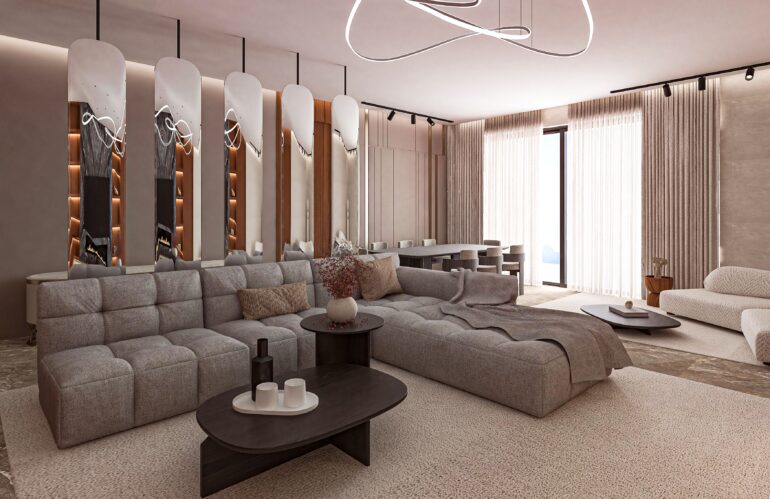
Sept 22:A beautifully completed interior project can become a powerful advertisement for a business—but only if the right people see it.
For interior designers, contractors, modular kitchen specialists and interior studios, customer discovery is changing. Instead of relying entirely on referrals, walk-ins and traditional advertising, potential customers are increasingly searching online, browsing social media, watching project videos and checking reviews before choosing an interior professional.
The market opportunity is also expanding. Mordor Intelligence estimates that India’s interior design market will grow from $35.48 billion in 2026 to $65.01 billion by 2031. Meanwhile, DataReportal estimates that India had 1.03 billion internet users and 500 million social-media user identities in late 2025.
For interior businesses, this combination of a growing market and a huge digital audience creates an opportunity to turn online exposure into enquiries and, eventually, projects.
A Portfolio Can Now Find Customers
An interior portfolio was once primarily something a designer showed during a meeting with a prospective client. Today, the portfolio can reach customers before the first conversation takes place.
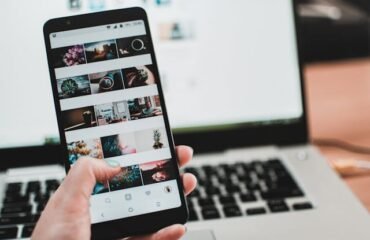
Completed homes, kitchens, offices and renovation projects can be displayed on websites, Instagram, YouTube, Pinterest and other digital platforms.
Instead of simply uploading photographs, businesses can explain the challenge behind each project, the design approach, materials used and the final outcome.
A single project can therefore become a long-term marketing asset.
Social Media Can Build Visibility
Interior design is particularly suited to visual content.
Before-and-after transformations, room tours, kitchen makeovers, lighting ideas and storage solutions can all become engaging social-media content.
Short videos can be especially useful. A 30-second walkthrough can give viewers a sense of the space, finishes and design much faster than a long written description.
Businesses can also mix promotional content with useful information—such as design tips, renovation mistakes, material comparisons and ideas for small homes.
This helps an interior brand remain visible without making every post feel like an advertisement.
Local SEO Can Bring Customers From Nearby Areas
Interior services are usually location-driven. Someone searching for an interior designer generally wants a professional who can actually serve their city or neighbourhood.
This makes local SEO an important customer-acquisition tool.
An interior business can improve its local visibility through an accurate Google Business Profile, location-specific website pages, genuine customer reviews and content targeting relevant local searches.
For example, businesses can create content around searches such as:
- Interior designers in Bengaluru
- Home interiors in Pune
- Modular kitchen designers in Delhi
- Villa interiors in Hyderabad
- Office interior designers in Bhubaneswar
The objective is to appear when someone has moved beyond browsing ideas and is actively looking for a service provider.
Paid Digital Advertising Can Expand Reach
Organic search and social-media visibility can take time. Paid advertising can help businesses reach relevant audiences more quickly.
Search advertising can target people actively looking for interior services, while social-media campaigns can introduce a company’s work to audiences in specific cities.
India’s digital advertising market is already substantial. According to the FICCI-EY Media & Entertainment report, digital advertising grew 26% in 2025 to ₹94,700 crore, accounting for nearly two-thirds of India’s advertising revenues.
For interior businesses, this highlights the growing importance of competing for consumer attention online.
But advertising should not be reduced to generating clicks. The campaign needs to direct visitors towards relevant project examples and a clear enquiry option.
WhatsApp Can Turn Interest Into Enquiries
For many Indian businesses, the journey from seeing an advertisement to making an enquiry can be extremely short.
A potential customer may see a kitchen transformation on Instagram and immediately want to know about the service. Giving that customer a direct WhatsApp option can remove unnecessary steps.
Interior businesses can use WhatsApp for initial enquiries, consultation requests, sharing portfolios and continuing conversations with prospective customers.
The key is to respond quickly and professionally. Digital marketing can create the enquiry, but the follow-up process determines whether that interest develops further.
Reviews Can Build Confidence
Interior projects can involve considerable spending, so customers often research a company carefully before making a decision.
Reviews can provide an additional layer of confidence.
A prospective client may look at a company’s portfolio, then check reviews to understand how previous customers experienced the project.
Businesses should therefore encourage genuine customers to share their experiences online. Testimonials can also be incorporated into websites, project pages and social-media content.
Content Can Reach Customers Before They Are Ready to Buy
A person planning an interior project may not immediately search for a designer.
They might first search for:
small living room ideas, modular kitchen designs, home renovation ideas or how to maximise storage in a small apartment.
This creates an opportunity for interior businesses to publish useful content around these subjects.
Helpful articles, videos and social-media posts can introduce a business to potential customers during the research stage.
By the time someone is ready to request a quotation, the company may already be familiar to them.
The Home Décor Market Is Becoming More Digital
The shift is not limited to interior-design services.
Technavio estimates that India’s online home décor market could grow by $4.95 billion between 2025 and 2030, with urbanisation and demand for modular and space-saving solutions among the factors supporting growth.
As consumers become more comfortable researching and purchasing home-related products online, interior businesses have an opportunity to become part of that broader digital discovery journey.
They can do this by combining design inspiration with practical information and clear service offerings.
One Project Can Generate Weeks of Content
Interior businesses do not need to create completely new ideas every day.
One completed project can generate multiple pieces of content.
A company could publish the transformation first, followed by separate posts about the kitchen, lighting, storage, colour palette and furniture. A client testimonial and full project walkthrough could then provide additional content.
This approach keeps marketing connected to actual work while reducing the pressure to constantly find new subjects.
From Online Attention to Actual Leads
Followers and views are useful indicators of exposure, but businesses ultimately need enquiries.
A website and social-media profile should make it easy for a visitor to take the next step. Phone numbers, WhatsApp buttons, enquiry forms and consultation options should be clearly visible.
Landing pages can also be created for specific services such as home interiors, modular kitchens or commercial interiors.
Most importantly, enquiries should be followed up promptly.
A potential customer who has contacted several interior businesses may move forward with the company that provides a clear and timely response.
The Customer Journey Has Changed
The modern interior customer journey may begin with a social-media post rather than a referral.
A person could discover a project on Instagram, search for the company on Google, visit its website, read reviews, watch a project video and finally contact the business through WhatsApp.
The physical project may have taken months to complete, but its digital marketing value can continue long afterwards.
For interior businesses, that means a portfolio is no longer simply a record of past work. It can become a customer-acquisition engine.
As India’s interior and home-improvement markets expand, businesses that combine strong project portfolios with local SEO, social media, useful content, reviews, targeted advertising and efficient enquiry handling can create more opportunities to reach customers.
The next client may never walk past the studio. They may find the business while searching, scrolling, comparing and researching online. The businesses that make their work visible at those moments have more opportunities to turn attention into enquiries and enquiries into projects.