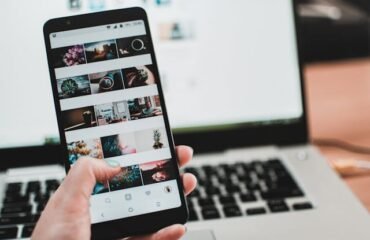
The fashion industry has undergone a remarkable transformation in recent years, driven largely by advancements in digital technology. Traditional marketing methods such as print advertisements, billboards, and television commercials are increasingly being complemented—and often replaced—by sophisticated digital marketing strategies. Today, fashion brands leverage social media, search engines, email campaigns, and data-driven insights to connect directly with consumers, build brand awareness, and drive sales.
Digital marketing in the fashion industry has become essential for brands seeking to remain competitive in a rapidly evolving marketplace. From luxury fashion houses to emerging online boutiques, businesses are utilizing digital platforms to showcase collections, engage audiences, and create personalized shopping experiences.
The Rise of Fashion E-Commerce
One of the most significant developments in the fashion sector is the explosive growth of e-commerce. Consumers increasingly prefer shopping online due to convenience, wider product selections, and personalized recommendations.
Fashion e-commerce has revolutionized the customer journey by allowing brands to:
- Reach global audiences instantly
- Offer personalized shopping experiences
- Collect valuable customer data
- Improve customer retention through targeted campaigns
- Reduce operational costs compared to physical retail stores
Mobile commerce has further accelerated this trend, with consumers using smartphones to browse, compare, and purchase fashion products anytime and anywhere. Brands that invest in user-friendly websites and mobile apps are better positioned to capture market share in the digital age.
Social Media Marketing: Fashion’s Most Powerful Channel
Social media platforms have become indispensable marketing tools for fashion brands. Platforms such as Instagram, TikTok, Pinterest, and Facebook allow brands to visually showcase products and engage directly with consumers.
Instagram and Visual Storytelling
Instagram remains a dominant platform for fashion marketing. Through Reels, Stories, and Shopping features, brands can present collections, share behind-the-scenes content, and facilitate direct purchases.
TikTok and Trend-Driven Marketing
TikTok has transformed fashion marketing by enabling brands to participate in viral trends and connect with younger audiences. Creative short-form videos help increase visibility, engagement, and brand recall.
Pinterest for Fashion Inspiration
Pinterest serves as a visual discovery platform where consumers seek style inspiration, making it an ideal channel for showcasing seasonal collections and fashion trends.
Influencer Marketing in Fashion
Influencer marketing continues to play a crucial role in digital fashion campaigns. Collaborating with fashion influencers allows brands to:
- Increase brand credibility
- Reach niche audiences
- Generate authentic product endorsements
- Drive engagement and conversions
Consumers often trust influencer recommendations more than traditional advertising, making influencer partnerships highly effective.
Search Engine Optimization (SEO) for Fashion Brands
Search Engine Optimization (SEO) is a critical component of digital marketing success in the fashion industry. Effective SEO strategies help fashion brands increase visibility, attract qualified traffic, and improve online sales.
Keyword Research
Fashion brands must identify keywords that potential customers use when searching for products, styles, and trends. Examples include:
- Sustainable fashion brands
- Summer fashion trends
- Luxury handbags online
- Affordable streetwear fashion
On-Page SEO Optimization
To improve rankings, fashion websites should focus on:
- Optimized title tags
- Compelling meta descriptions
- Keyword-rich product descriptions
- Image optimization with alt text
- Mobile responsiveness
- Fast loading speeds
Building Quality Backlinks
Backlinks from reputable fashion blogs, magazines, and industry websites help establish authority and improve search rankings. Strategic collaborations and guest posting can significantly boost domain authority.
Content Marketing: Storytelling Through Fashion
Content marketing enables fashion brands to create deeper emotional connections with consumers through storytelling.
Fashion Blogging
Blogs help brands:
- Share industry insights
- Highlight fashion trends
- Offer styling tips
- Improve SEO performance
Regular blog content positions a fashion brand as an industry authority while driving organic traffic.
Video Marketing
Video content is among the most engaging forms of digital marketing. Fashion brands use videos to showcase:
- Runway shows
- Product launches
- Designer interviews
- Styling tutorials
- Behind-the-scenes content
Video marketing enhances engagement and helps consumers connect emotionally with a brand.
Lookbooks and Visual Content
Digital lookbooks allow brands to present collections in an immersive format. High-quality imagery helps communicate a brand’s aesthetic and inspire purchasing decisions.
Email Marketing: Building Long-Term Customer Relationships
Email marketing remains one of the highest-performing digital marketing channels in the fashion industry. It provides a direct and personalized communication channel between brands and consumers.
Effective email marketing strategies include:
- Welcome email sequences
- Product recommendations
- Exclusive discounts
- New collection launches
- Seasonal promotions
- Cart abandonment reminders
Personalized email campaigns based on customer behavior significantly improve engagement rates and conversions.
Data Analytics and Consumer Insights
Modern fashion marketing relies heavily on data analytics to understand consumer behavior and optimize marketing performance.
Benefits of Data Analytics in Fashion Marketing
Data-driven insights help brands:
- Understand customer preferences
- Predict future trends
- Improve customer segmentation
- Personalize marketing campaigns
- Optimize inventory management
- Increase return on investment (ROI)
By leveraging customer data responsibly, fashion brands can create highly targeted campaigns that resonate with specific audience segments.
Sustainable Fashion and Ethical Marketing
Consumers are increasingly prioritizing sustainability and ethical business practices when making purchasing decisions. As a result, sustainability has become a central focus of fashion marketing strategies.
Communicating Sustainability Effectively
Fashion brands should clearly communicate:
- Sustainable sourcing practices
- Ethical manufacturing processes
- Environmental impact reduction efforts
- Fair labor practices
- Circular fashion initiatives
Transparency builds trust and strengthens brand loyalty among environmentally conscious consumers.
The Business Case for Sustainable Fashion
Brands that successfully integrate sustainability into their digital marketing strategies often experience:
- Enhanced brand reputation
- Greater customer loyalty
- Increased customer engagement
- Competitive differentiation
Consumers are more likely to support brands that align with their values and social responsibility expectations.
Emerging Trends Shaping the Future of Fashion Marketing
The future of digital marketing in fashion will be driven by technological innovation and evolving consumer expectations.
Augmented Reality (AR)
AR technology enables customers to virtually try on clothing, accessories, and makeup products before purchasing, enhancing confidence and reducing returns.
Artificial Intelligence (AI)
AI-powered tools are helping fashion brands:
- Deliver personalized recommendations
- Automate customer service
- Predict fashion trends
- Optimize marketing campaigns
Virtual Shopping Experiences
Virtual showrooms and immersive digital experiences are becoming increasingly popular, offering consumers engaging alternatives to traditional online shopping.
Hyper-Personalization
As consumers demand more personalized experiences, brands will continue using advanced analytics and machine learning to tailor marketing messages and product recommendations.
Conclusion
The intersection of digital marketing and fashion continues to redefine how brands connect with consumers. From social media marketing and SEO to influencer collaborations, data analytics, and sustainable branding, digital channels have become essential for growth and competitiveness.
As technology advances and consumer expectations evolve, fashion brands must embrace innovation and adaptability. Those that successfully integrate digital marketing strategies with authentic storytelling, personalization, and sustainability will be best positioned to thrive in the future of the fashion industry.