Insights from Shreyas Webmedia Solutions
Introduction: How Business News Went Digital
Not long ago, business leaders started their mornings with newspapers or scheduled TV bulletins. Today, that habit has shifted almost entirely online. Digital media platforms have become the primary source of business news, delivering updates in real time and making information accessible with just a tap or click.
This transformation has been driven by rapid technological growth, widespread internet access, and changing audience expectations. Professionals now want news that is fast, relevant, and easy to consume—without waiting for the next print edition or broadcast. As a result, businesses are increasingly relying on digital channels to share announcements, market insights, and corporate developments.
From business news websites and blogs to social media platforms, email newsletters, and mobile apps, digital media has reshaped how business stories are told. These platforms don’t just inform; they invite interaction, encourage discussion, and allow organizations to understand their audiences better than ever before.
The Rise of Business News Portals
One of the most noticeable shifts in recent years is the growth of dedicated business news portals. These platforms are designed specifically for professionals who need focused, reliable information across industries such as finance, technology, startups, manufacturing, and global trade.
What makes business news portals so appealing is their relevance. Instead of sifting through general news, readers can access industry-specific updates that directly impact their decisions. Entrepreneurs track funding trends, executives monitor policy changes, and investors follow market movements—all in one place.
Many of these portals have also evolved beyond written articles. Short video explainers, expert interviews, podcasts, and data-driven insights are now standard features. This flexibility allows readers to consume content in ways that fit their schedules, whether during a commute or between meetings.
How Digital Media Changed News Distribution
Digital media has completely altered the speed and reach of business news. Important updates that once took hours—or even days—to reach audiences can now be shared instantly. This real-time distribution has become essential in a world where market conditions can change in minutes.
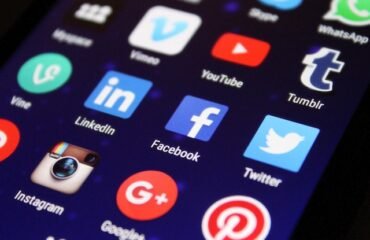
Social media platforms play a major role in this shift. Business leaders, journalists, and analysts actively share updates, opinions, and insights, creating conversations around news rather than one-way communication. These platforms have turned news consumption into an interactive experience.
Another major change is audience targeting. Digital media allows businesses to reach specific groups based on industry, role, or interest. Instead of broadcasting the same message to everyone, organizations can tailor content to the people who matter most—making communication more effective and meaningful.
Why Businesses Prefer Digital Media Platforms
One of the biggest advantages of digital media is speed. Businesses can communicate instantly, whether it’s announcing a product launch, responding to market developments, or addressing a crisis. This agility helps organizations stay relevant and responsive.
Digital platforms also offer precision. With access to detailed analytics, businesses can see what content performs well, who is reading it, and how audiences engage. These insights make it easier to refine messaging and improve future communication.
Equally important is storytelling. Digital media allows businesses to go beyond plain text by using visuals, videos, infographics, and interactive content. A well-produced video or visual story often communicates complex ideas far more effectively than a traditional press release.
The Challenges of Digital News Distribution
Despite its advantages, digital media comes with challenges. One of the most serious concerns is misinformation. With news spreading so quickly, inaccurate information can gain traction just as fast. This makes credibility and fact-checking more important than ever.
Another challenge is content overload. With countless articles published every day, standing out is difficult. Businesses must focus on clarity, authenticity, and value to capture attention and earn trust.
Maintaining credibility is also critical. Audiences are quick to disengage from sources that appear unreliable or overly promotional. Transparent communication and consistent quality are essential for building long-term trust in the digital space.
Industry Trends Driving the Shift to Digital
The move toward digital-first news consumption is no longer a trend—it’s the new normal. Most professionals now rely on online sources for business updates because they are faster, more convenient, and accessible anywhere.
Traditional print media continues to decline, while digital platforms grow in influence. Social media, in particular, has become a key channel for sharing business news, while video and audio formats are gaining popularity among time-conscious audiences.
Businesses that adapt to these changes are better positioned to remain visible and competitive. Those that resist digital transformation risk being overlooked in an increasingly crowded information landscape.
Expert Insights on Digital Business News
Industry experts agree that digital media has opened new opportunities for businesses to connect with their audiences. According to insights from Shreyas Webmedia Solutions, organizations that embrace digital news distribution gain not only wider reach but also stronger engagement.
Digital platforms allow businesses to speak directly to their audiences rather than relying solely on traditional gatekeepers. This direct connection helps build trust, encourage dialogue, and strengthen brand presence. With the added benefit of performance tracking, businesses can continuously improve how they share their stories.
Conclusion: What Lies Ahead for Business News
Digital media platforms are no longer optional in business news distribution—they are essential. They offer speed, reach, and engagement that traditional channels simply cannot match.
As technology continues to evolve, businesses must remain flexible, credible, and audience-focused. Those that invest in meaningful digital communication will not only stay relevant but also build stronger relationships with their stakeholders.
The future of business news is digital, interactive, and data-driven. Organizations that understand this shift and adapt accordingly will be best positioned to succeed in an increasingly connected world.