
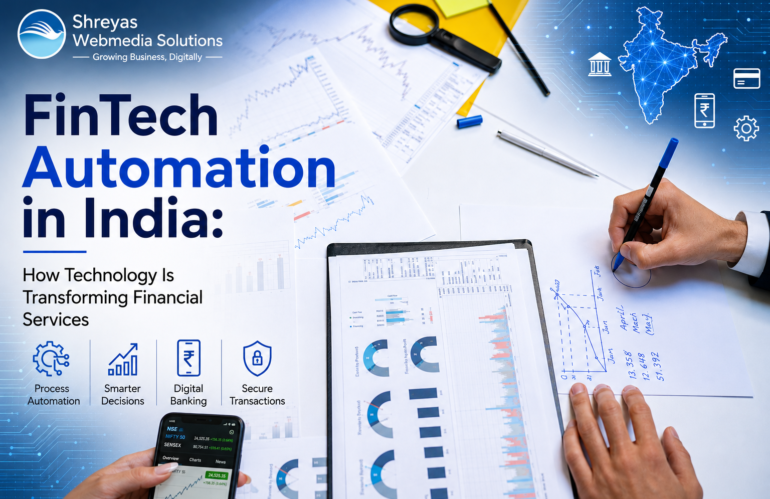
India’s FinTech sector is moving into a new phase. The transformation is no longer simply about putting financial services online; it is increasingly about automating the processes that sit behind them. Banks, NBFCs and FinTech companies are using artificial intelligence (AI), machine learning, robotic process automation (RPA), APIs and cloud technologies to handle customer onboarding, …
Automation in Schools in Hyderabad: How AI and Digital Technology Are Reshaping Education
Aug 08: Automation is gradually moving from being a technology concept to becoming a practical part of school education. From digital attendance and automated assessments to AI-assisted learning and student performance tracking, technology is changing how schools manage routine activities and deliver education. For Hyderabad, this transition has particular significance. The city is one of …
How Digital Marketing Can Help Logistics Companies Grow in India
Aug 07: India’s logistics industry is expanding rapidly, supported by e-commerce, quick commerce, manufacturing, organised warehousing and technology-led supply chains. As the sector grows, competition among logistics providers is also increasing. For years, logistics companies have relied heavily on referrals, sales teams and industry relationships to win customers. These channels remain important, but the way …
Digital Marketing for E-commerce: How Online Brands Can Turn Visibility into Sales
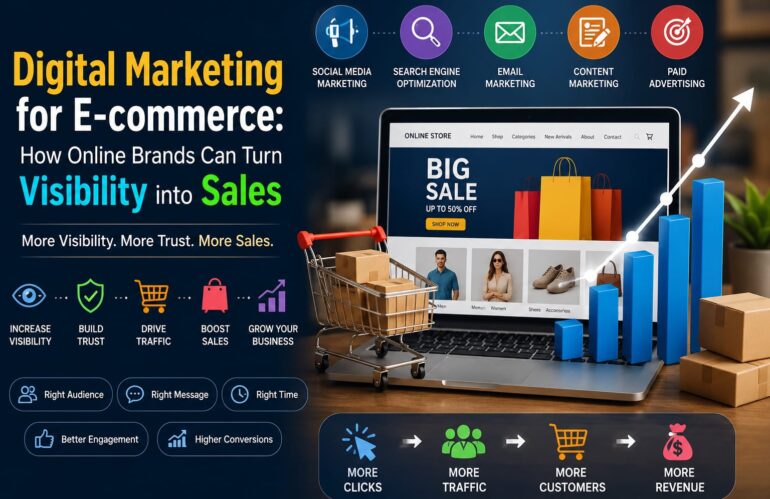
India’s e-commerce industry is moving into a more competitive phase. Consumers are no longer dependent on traditional stores to discover products. They can find a brand through a Google search, see a product recommendation on social media, compare prices on marketplaces and complete a purchase from their smartphone. This changing behaviour has made digital marketing …
Indian Brands Shift from Social Media Reach to Measurable Digital Growth

For Indian brands, digital marketing is entering a more accountable phase. Social media reach, followers and engagement still matter, but companies are increasingly looking beyond these numbers to understand whether their digital investments are actually generating leads, sales and long-term customer value. The change comes as digital advertising becomes a much larger part of India’s …
Digital Marketing for Commercial Real Estate: How India’s Office Boom Is Creating New Business Opportunities
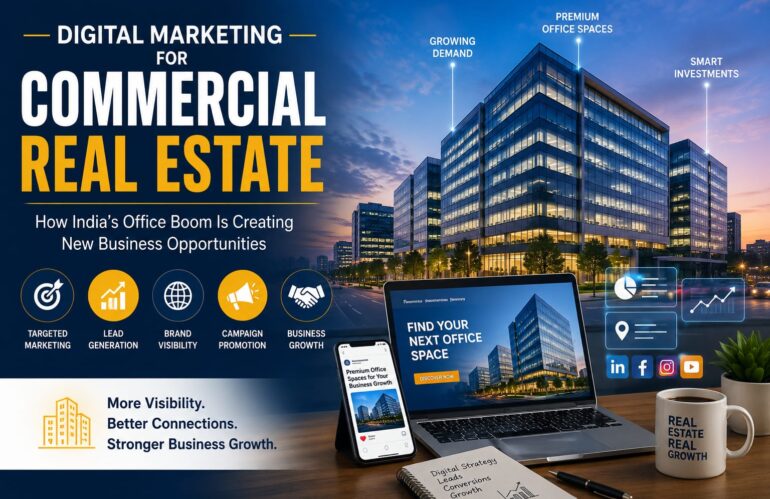
Aug 04: India’s commercial real estate market is no longer simply recovering from the disruption of the pandemic. It is entering a new phase of growth, driven by Global Capability Centres (GCCs), technology companies, multinational businesses and flexible workspace providers. Office leasing across India crossed 86 million sq ft in 2025, setting a new record. …
Digital Marketing for Startups: Building Brand Awareness, Investor Visibility and Customer Acquisition

For startups, digital marketing is no longer optional. A strong online presence can determine how quickly a new business gets discovered, how customers perceive its credibility and whether potential investors take notice. Startups often have to compete with established companies that have larger marketing budgets, stronger brand recognition and years of customer relationships. Digital marketing …
Event Management in the Digital Age: Turning Registrations, Sponsorships and Audience Engagement into Event Success

Aug 01: The global event management industry is becoming increasingly digital as businesses, brands and organizations look for more effective ways to connect with their audiences. From corporate conferences and trade shows to exhibitions, product launches and networking events, the focus is shifting from simply organizing an event to creating an experience that delivers measurable …
Digital Marketing for Food Processing Companies: Building Brand Awareness, Reaching Distributors and Expanding Exports
The food processing industry is entering a period of significant growth, driven by changing consumer preferences, rising demand for packaged and convenience foods, expanding retail networks and increasing opportunities in international markets. For manufacturers and food brands, this growth also means greater competition. Having a quality product is no longer enough; companies need to make …
Digital Marketing and Automation for Home Décor & Furniture Brands: Driving Online Sales
July 30: The global home décor and furniture market is changing as the way people shop for their homes continues to evolve. Consumers today can discover a sofa while scrolling through social media, compare dining tables across different websites, save bedroom ideas on Pinterest and read customer reviews before deciding what to buy. Shopping for …